Two very different kinds of cruising
Cruising life is often described as relaxing, but that calm comes in very different forms depending on where you are. On the Rideau system, boating naturally falls into two worlds: slow zones and open water. Both matter. Both shape how we use Lucky Enough. And both are a big reason we chose this style of cruising in the first place.
Understanding the difference is key to enjoying the journey, not just the destination.
Life in the slow zones
Slow zones are where the Rideau really shows its character. These stretches are governed by strict speed limits, typically idle speed or displacement speed only. On the water, that usually means about 6 to 8 km/h for a boat like ours.
At that pace, everything changes.
You are not driving the boat so much as guiding it. Steering inputs are gentle. Throttle changes are small and deliberate. Wind, current, and boat traffic matter more. You start thinking ahead instead of reacting in the moment.
But what you gain is time.
Time to notice cottages tucked back in the trees. Time to see herons lift off the shoreline. Time to wave to other cruisers doing the exact same thing. Conversations happen without shouting. Coffee stays in the mug. Music plays quietly instead of competing with engine noise.
Fuel burn is minimal, stress is low, and the boat feels like a floating front porch.
For us, this is the heart of Rideau cruising.
The practical side of slow cruising
Slow zones are not just about scenery. They define how you plan your day.
Distances that look short on a map take real time at displacement speed. Lock schedules suddenly matter. Wind direction matters more than horsepower. You learn quickly that patience is not optional, it is part of the system.
There is also a mechanical upside. Engines run cool and steady. Systems are not under load. Docking feels easier because you have already been operating slowly for hours.
It is not exciting in the traditional sense, but it is deeply satisfying.
Open water feels different
Then there is open water.
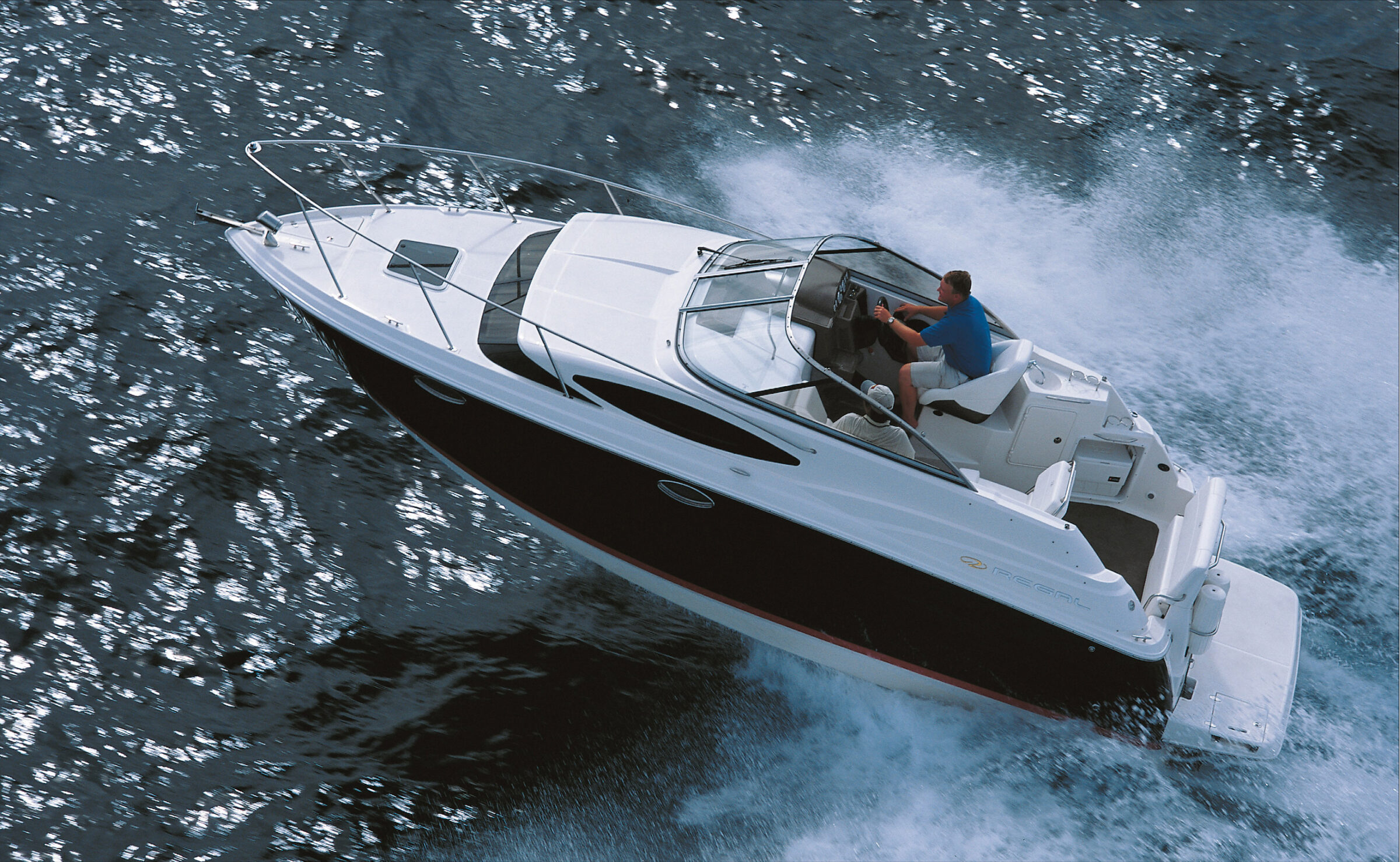
Larger lakes on the system allow for planing. This is where the boat changes personality.
Throttle comes up, the bow lifts slightly, and the hull settles into a comfortable cruise. The shoreline starts to slide by instead of linger. Wind and chop become real factors. You are more focused. More alert.
Open water is efficient. You cover ground. Long crossings feel purposeful. If weather is coming, this is where you make good time.
But even here, the Rideau keeps you honest. Conditions can change quickly, and there is always another slow zone or lock ahead reminding you to bring things back down.
Choosing the right pace
One of the things we love most about this style of boating is that you do not have to choose one or the other. You get both in the same day.
A quiet morning through narrow channels.
A relaxed run across open lake.
Then back to idle speed as you approach the next lock or village.
The contrast is what makes it work.
Slow zones are about being present.
Open water is about progress.
Neither is better. They serve different purposes, and together they define the rhythm of cruising on the Rideau Canal.
Why this suits Lucky Enough
Our boat is comfortable at both speeds, but it clearly favors the slow side of the equation. We did not buy a cruiser to race between marinas. We bought it to live on the water for a while each day.
Slow zones encourage exactly that.
Open water keeps things practical.
That balance is what makes this system special and what makes cruising here feel less like transportation and more like a lifestyle.
If you are lucky enough to be on the water, slow down when you can.
The Rideau rewards it.
Fuel use comparison
Slow zones vs open water cruising
| Cruising mode | Speed | Fuel burn | Fuel per km | Cost per km |
|---|---|---|---|---|
| Slow zone cruising | 7 km/h | 4 L/hr | 0.57 L/km | $1.00 |
| Open water planing | 35 km/h | 32 L/hr | 0.91 L/km | $1.60 |
| Typical mixed cruising 70% slow, 30% planing |